
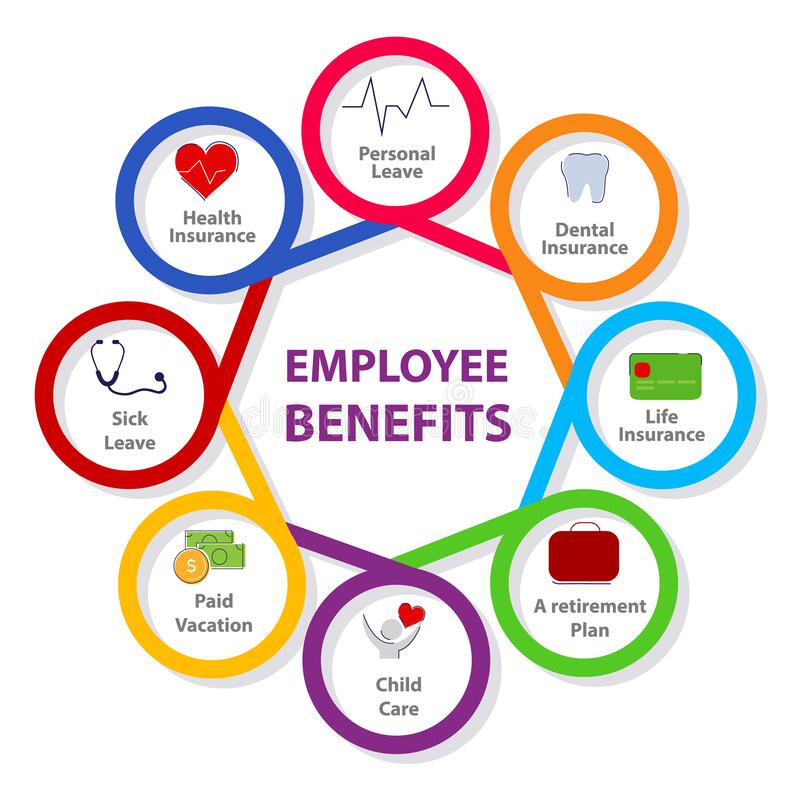
Mental health, burnout, and work-life balance are front and center in today’s workforce. Implementing a strong EAP provides critical support while improving organizational culture, retention, and performance.
1. Choose a Comprehensive EAP Provider
Select a provider that offers 24/7 access, multilingual support, virtual and in-person sessions, and a wide range of services including legal, financial, and counseling support.
2. Ensure Confidentiality and Trust
Reinforce that all services are confidential and separate from HR reporting. Employees are more likely to use EAPs when they feel psychologically safe.
3. Integrate EAPs into Onboarding and Training
Introduce EAPs during orientation and embed resources into your training, wellness programs, and intranet. The more visible the support, the more normalized its use becomes.
4. Train Managers to Recognize and Refer
Equip leaders with the tools to identify early signs of stress, burnout, or crisis, and guide employees to the right support.
5. Evaluate Program Impact
Analyze usage trends, satisfaction scores, and productivity data to determine if the EAP is delivering value and pivot when necessary.
When implemented with care and clarity, EAPs can transform your workplace. They’re more than a checkbox, they’re a commitment to your people’s wellbeing.
Take the next step—Contact Us to design your custom EAP.