In our current digital age, technology has become an integral part of our lives. From smartphones to smart homes, technology has transformed the way we live, work, and communicate. However, with the increasing use of technology, mental health has become a major concern. While technology has made mental health care more accessible than ever before, it has also created new challenges for healthcare professionals.
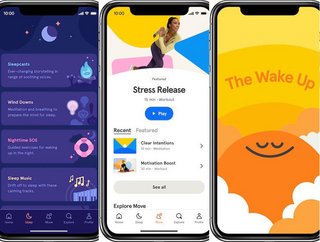
The use of technology in mental health care has many benefits. For instance, health care apps can help people track their mood, monitor their symptoms, and access therapy sessions from the comfort of their homes. Integration with business applications such as Employee Self-Service and an employer’s Human Resources Management System means that access is available from virtually anywhere at anytime. This has made mental health care more convenient and affordable for people who may not have access to traditional mental health care services. Moreover, technology has also made it easier for healthcare professionals to diagnose and treat mental health conditions.
However, the use of technology in mental health care also has its downsides. One of the biggest challenges is the lack of human interaction. While health care apps can provide a lot of data, they cannot replace the empathy and support of a human therapist. Additionally, the overreliance on technology can also lead to a decrease in social interactions, which can exacerbate mental health conditions.
Therefore, it’s essential to strike a balance. While technology can be an excellent tool for mental health care, it should not replace the personal touch of a human therapist. Instead, it should complement traditional mental health care services to provide a more comprehensive and integrated approach to mental health care. By balancing technology and mental health care, we can ensure that people receive the care and support they need to live healthy and fulfilling lives.