
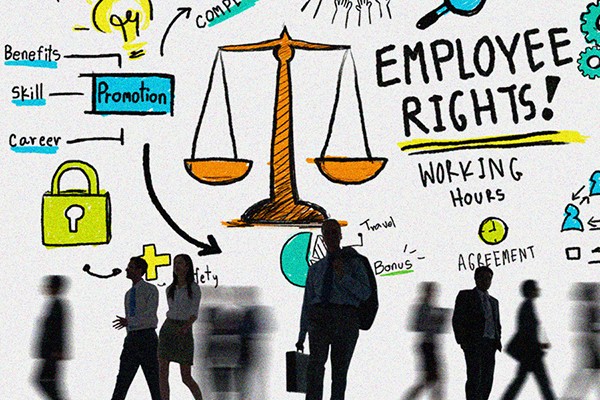
Employment and labor laws are designed to balance organizational
efficiency with worker protection, yet the perception gap between
employers and employees continues to widen. Employers often see these
laws as compliance hurdles that impact flexibility and cost
structures, while employees view them as safeguards of fairness and
dignity. Understanding both perspectives is essential for creating a
transparent, compliant, and productive workplace culture.
Employers generally approach labor laws from a risk management
standpoint. Compliance ensures avoidance of fines, lawsuits, and
reputational damage. However, many leaders see the expanding
complexity of regulations—from overtime and misclassification to
remote work standards—as an operational burden. For employers, the
goal becomes finding a balance between regulatory adherence and
maintaining productivity.
Employees, on the other hand, see labor laws through a personal lens.
They represent fairness, equity, and job security—rights that protect
them from exploitation or bias. Issues such as wage transparency,
leave entitlements, and workplace safety are viewed not as
administrative processes but as moral obligations. The tension arises
when employers prioritize efficiency while employees prioritize
fairness.
Bridging this divide requires open communication, transparent HR
policies, and leadership accountability. Employers who view
compliance as a strategic advantage—not a constraint—create stronger
engagement, lower turnover, and higher organizational trust.
Conclusion
Employment laws aren’t just legal frameworks—they’re cultural
foundations. When organizations embrace compliance as part of their
corporate DNA, they shift from a defensive posture to a proactive,
people-first approach. Both employers and employees benefit from
environments built on mutual respect and accountability.