As businesses continue to grow and navigate increasingly complex regulations, the way companies approach HR compliance is evolving. The choice between automation and manual compliance processes has become more critical than ever. Let’s take a closer look at how the future of HR compliance is likely to unfold and what businesses can expect.
Traditionally, many businesses have relied on manual methods for HR compliance, using spreadsheets, physical records, and in-house staff to track regulations and deadlines. While this approach works for smaller businesses with fewer employees, it can become time-consuming and prone to human error as the organization grows. Missed deadlines or overlooked regulations can easily lead to costly compliance issues, making it clear that businesses need to adopt more efficient systems as they scale.
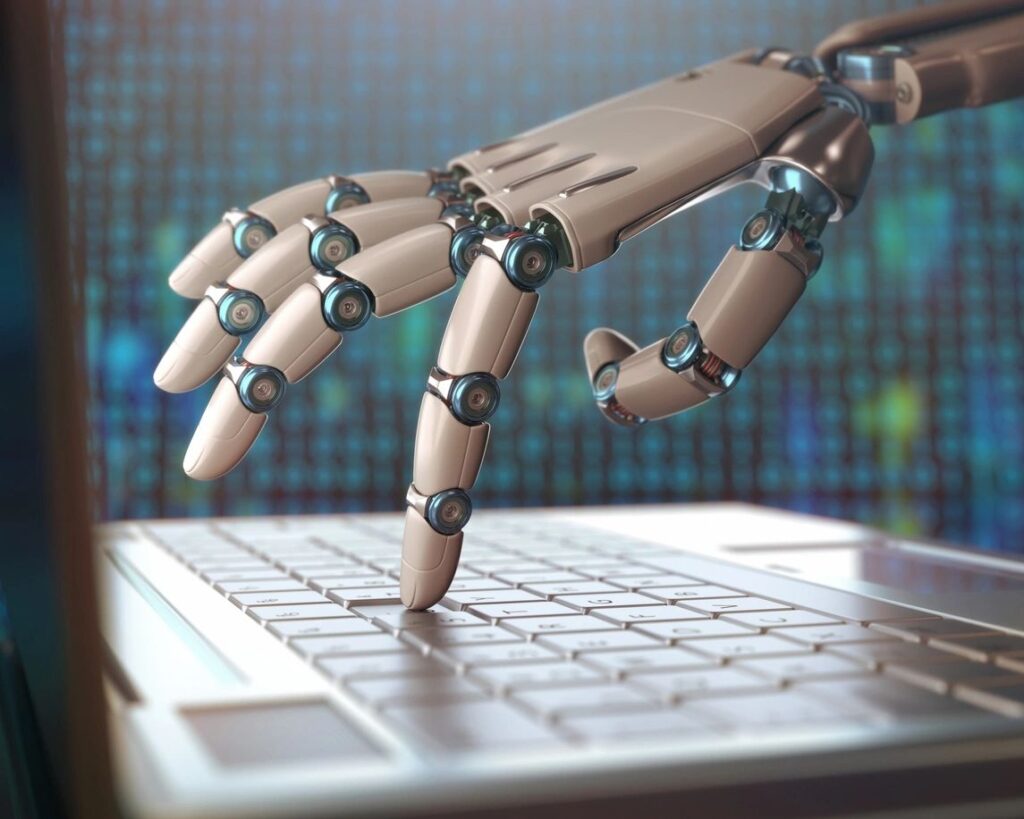
The rise of automation in HR compliance is changing the game. Automated compliance tools can track ever-evolving regulatory changes, automate compliance reporting, and send real-time alerts to HR teams. This reduces the likelihood of human error, increases operational efficiency, and ensures businesses stay on top of crucial compliance requirements. By automating repetitive tasks, HR teams can redirect their efforts toward more strategic initiatives, which can ultimately contribute to the company’s long-term success.
The benefits of automation are clear: increased accuracy, improved time efficiency, and enhanced scalability. Automated tools can handle more complex compliance needs as a business grows without additional manual effort. This scalability allows businesses to manage their compliance more effectively, even as they expand and face more intricate regulatory demands.
However, despite the many advantages of automation, manual oversight still plays a crucial role in HR compliance. While technology can handle routine tasks and flag potential issues, human judgment is essential for interpreting complex regulations, addressing unique employee concerns, and navigating situations that require a personal touch. Automation should not replace human decision-making, but rather complement it.
Looking ahead, the future of HR compliance will likely see a blend of automation and manual oversight. By combining the efficiency and precision of technology with the insight and wisdom of human expertise, businesses will be better positioned to remain compliant and avoid legal complications. Embracing both methods will ensure that organizations can navigate the complexities of HR compliance while fostering a more effective and proactive HR strategy.